Play to Align: Role-Play that Unites Remote Teams


Why Practice Beats Theory When Screens Divide Us
Designing Scenarios That Travel Well Across Time Zones
Persona Cards With Real Stakes
Summarize needs, fears, vocabulary, and constraints, not just job titles. Include a memorable quote, a measurable goal, and a hidden bias that might derail conversation. When teammates hold these cards, they improvise convincingly, challenge assumptions kindly, and surface trade-offs sooner, before deadlines weaponize ambiguity.
Objective Ladders and Clear Failure Modes
Write a primary outcome and two supporting steps that must be demonstrated in dialogue or artifacts. Then document plausible failure patterns: missed escalation, jargon confusion, or overpromising. Facilitators can steer scenes toward these patterns, letting teams practice recovery techniques that build resilience instead of silent blame.
Props Go Digital: Boards, Bots, and Shared Docs
Replace physical props with living tools: a Miro board for evidence, a Slack bot for alerts, a Google Doc for notes, a mock dashboard for signals. Realistic artifacts make choices tangible, accelerate alignment, and create reusable templates your team can improve session after session.
Facilitation Craft for Distributed Sessions

Measuring What Matters Without Killing the Joy
Behavioral Signals Over Vanity Metrics
Lightweight Instruments That Travel Asynchronously
Stories from Distributed Teams in the Wild
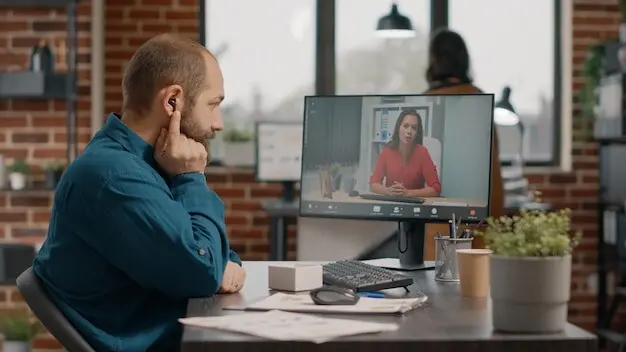
SaaS Support Reduces Escalations
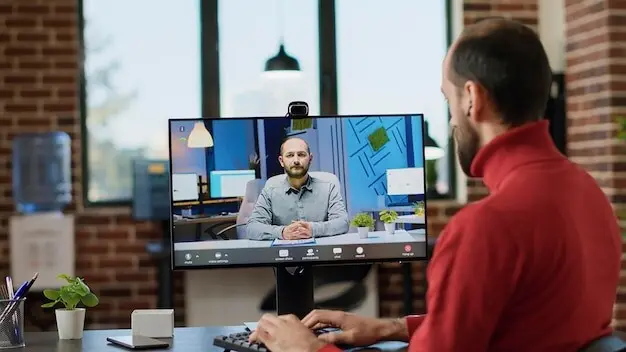
Incident Response Gets Faster and Kinder

Sales Finds Confidence Across Cultures
Make It a Habit, Not a One-Off
All Rights Reserved.