Play to Align: Role-Play that Unites Remote Teams

Today we dive into Remote Team Role-Play Frameworks for Distributed Workplaces, revealing how structured scenarios turn scattered calendars into shared purpose. You will learn facilitation moves, scenario design, and measurement tactics tested across time zones. Expect practical prompts, honest stories, and downloadable cues to bring voices forward. Join the conversation in comments, share your experiments, and subscribe to keep receiving play-tested practices that lower risk, raise clarity, and make collaboration feel surprisingly human, even when cameras stay off.

Why Practice Beats Theory When Screens Divide Us

Role-play transforms remote work from passive discussion into embodied rehearsal, letting teams surface assumptions, test boundaries, and strengthen psychological safety without risking customers or production systems. By experiencing pressure, ambiguity, and interpersonal friction in a controlled space, people encode responses more deeply than through slides. Distributed groups benefit even more: distance blurs tone and intent, so simulated moments restore nuance, repair trust, and equip colleagues to negotiate conflict, escalate early, and align faster when real stakes arrive.

Designing Scenarios That Travel Well Across Time Zones

Persona Cards With Real Stakes

Summarize needs, fears, vocabulary, and constraints, not just job titles. Include a memorable quote, a measurable goal, and a hidden bias that might derail conversation. When teammates hold these cards, they improvise convincingly, challenge assumptions kindly, and surface trade-offs sooner, before deadlines weaponize ambiguity.

Objective Ladders and Clear Failure Modes

Write a primary outcome and two supporting steps that must be demonstrated in dialogue or artifacts. Then document plausible failure patterns: missed escalation, jargon confusion, or overpromising. Facilitators can steer scenes toward these patterns, letting teams practice recovery techniques that build resilience instead of silent blame.

Props Go Digital: Boards, Bots, and Shared Docs

Replace physical props with living tools: a Miro board for evidence, a Slack bot for alerts, a Google Doc for notes, a mock dashboard for signals. Realistic artifacts make choices tangible, accelerate alignment, and create reusable templates your team can improve session after session.

Facilitation Craft for Distributed Sessions

Remote facilitation thrives on clarity, pacing, and warmth. Establish norms up front, manage attention deliberately, and protect psychological safety with explicit consent to pause, rewind, or ask for coaching. Use breakout rooms thoughtfully, name introverts first, and invite cross-functional pairs to model partnership under uncertainty.

Measuring What Matters Without Killing the Joy

Evidence beats opinions, yet measurement should serve learning rather than surveillance. Combine leading indicators from practice sessions with lagging signals from real work. Track participation, decision latency, and clarity of artifacts, then correlate with incident outcomes, cycle time, or churn. Light, respectful analytics make improvement visible and motivating.

Behavioral Signals Over Vanity Metrics

Count behaviors that predict reliability: who asks clarifying questions, who requests help early, who documents decisions, and how quickly teams recover after a misstep. These signals correlate with resilience far better than attendance, time spent talking, or the number of slides reviewed during sessions.

Lightweight Instruments That Travel Asynchronously

Use one-minute pulse surveys after each scene, asking about confidence, clarity, and next actions. Pair them with emoji reactions on recordings and short comment threads in shared docs. Asynchronous instruments respect time zones while keeping the feedback loop warm, honest, and easy to analyze over time.

Stories from Distributed Teams in the Wild
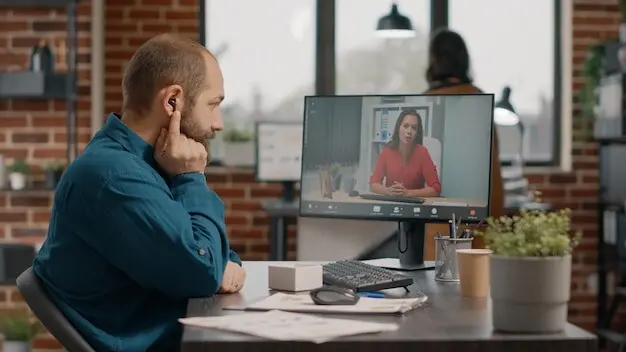
SaaS Support Reduces Escalations
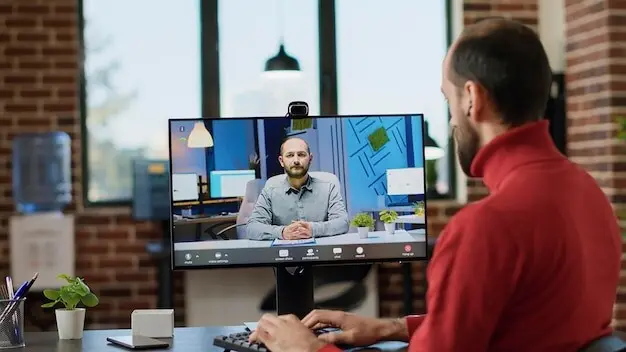
A support organization simulated an irate enterprise admin threatening to cancel. Agents practiced de-escalation scripts, silent note-taking, and ticket hygiene while a product manager played the customer’s legal advisor. Within a quarter, first-contact resolution improved, executive escalations dropped, and cross-team empathy replaced defensive forwarding chains.

Incident Response Gets Faster and Kinder

DevSecOps teams ran midnight drills using a mocked alert stream and a stubborn feature flag. They rehearsed clear ownership language, explicit handoffs, and user impact updates. Mean time to acknowledge fell, blamey chat vanished, and retrospectives turned constructive, focusing on safeguards instead of perfect humans.

Sales Finds Confidence Across Cultures

A globally distributed sales pod practiced discovery calls with culturally varied personas, rotating accents and communication norms. Reps learned to pace silence, confirm understanding, and adapt idioms. Win rates improved modestly, but opportunity quality rose sharply, and new hires ramped faster thanks to a growing library of annotated recordings.

Make It a Habit, Not a One-Off

Sustainable practice requires rhythm and ownership. Build small rituals around planning, playing, and pausing to reflect. Celebrate experiments, not perfection. Rotate facilitators, refresh scenarios quarterly, and align with real roadmaps so practice anticipates risk. Invite readers to share calendars, swap prompts, and co-create an evolving repository.
Dexosanotavolentomexorino
Privacy Overview

This website uses cookies so that we can provide you with the best user experience possible. Cookie information is stored in your browser and performs functions such as recognising you when you return to our website and helping our team to understand which sections of the website you find most interesting and useful.